Everbrook Academy Blog: June 1, 2026
- 855.437.3254
- Schedule a Tour
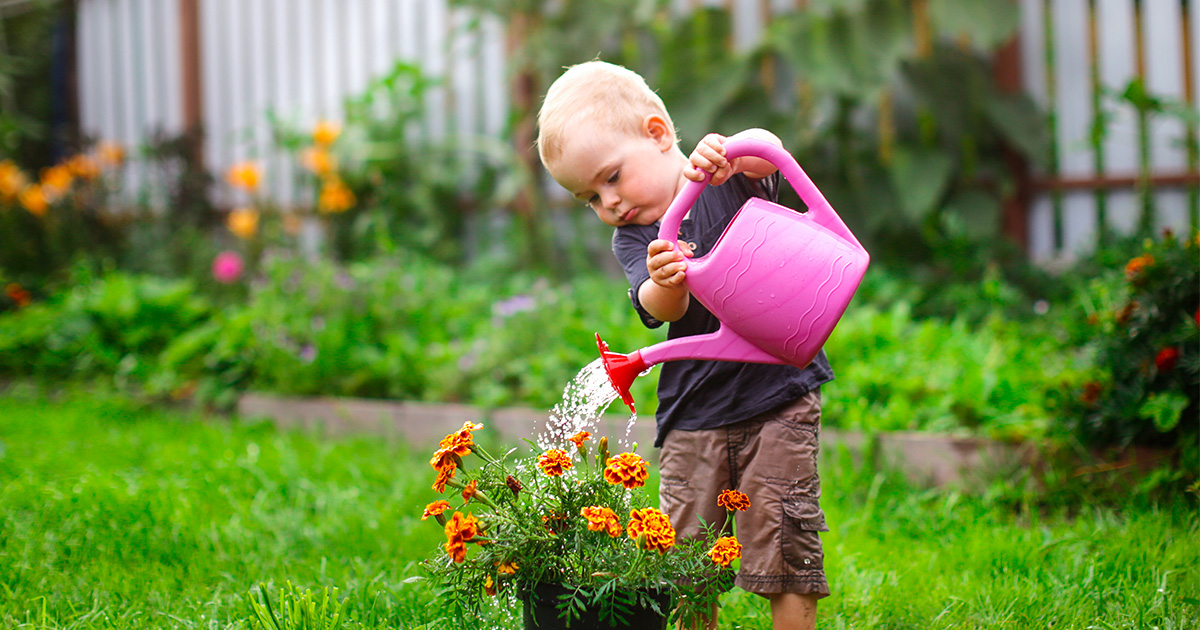
Time spent outdoors creates more than just fun moments. It builds lasting memories and nurtures a child’s natural curiosity about the world. Nature-rich environments support children by offering powerful benefits for physical development, cognitive growth, and emotional well-being.
Research is Clear: Nature Builds the Whole Child
Research consistently shows that regular exposure to nature strengthens attention spans, encourages creativity, and reduces stress for people of all ages, especially young children. Organizations like Children & Nature Network emphasize that outdoor play supports healthier, more focused learners.
Similarly, the National Association for the Education of Young Children (NAEYC) highlights the outdoors as an essential learning environment, one where children can explore, observe, and learn freely through hands-on experiences. Being outside also supports readiness for learning.
What Outdoor Learning Looks Like in Our Classrooms
Throughout our Learning Care community of schools, outdoor learning is thoughtfully woven into each day to ensure children have ample time to get fresh air, move their bodies, and explore. Their experience may include:
- Outdoor Classrooms: Spaces where children can paint, read, and build using natural materials.
- Gardening Projects: Hands-on experiences growing herbs and vegetables while learning about life cycles.
- Nature-Rich Classrooms: Incorporating items such as pinecones, leaves, and stones to inspire curiosity and scientific thinking within the sensory experience of using them.
How Families Can Bring Nature Home
You don’t need to visit a forest to make nature meaningful. Simple moments go a long way:
- Slow Walks: Pause to notice textures, sounds, and patterns during an unstructured wander around your neighborhood, a local park, or a nearby nature center.
- Park or Backyard Play: Make a game out of it! Practice writing letters in dirt or observing bugs up close to start conversations and lean into the wonder of it all.
- Outdoor Playdates: Encourage collaboration and social learning in open-ended environments. Reach out to a friend, neighbor, or local parenting group to get even more about the experience.
Children’s Book Recommendations
Before heading outside, read stories to generate ideas, create appreciation, and inspire your child’s imagination. These gentle, age-appropriate stories can spark curiosity and wonder:
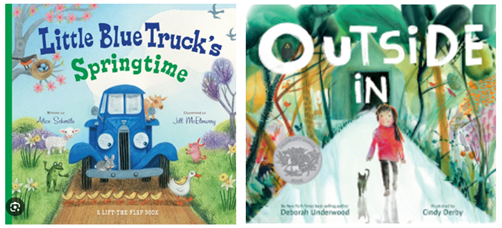
- Little Blue Truck's Springtime by Alice Schertle: A sweet, rhythmic story perfect for younger children that introduces animals, seasons, and the joy of springtime exploration through a beloved character.
- Outside In by Deborah Underwood: A beautifully simple and poetic book that helps children see how nature is always with us—whether we’re indoors or out.
Outdoor learning is ultimately about discovery. When children are encouraged to explore, whether they’re jumping in puddles or watching a butterfly flap around, they build confidence, curiosity, and a lifelong love of learning.
So, step outside, take a deep breath, and let nature lead the way!
Additional Resources
Children & Nature Network: Nature in Early Childhood Hub
NAEYC: How Time Outside Can Improve Readiness to Learn Inside
About the Author
Amber Clark, Education Specialist

Amber Clark is passionate about helping young children and families thrive. She holds a master's degree in Educational Business Administration and is part of the Learning Care Education Team. Throughout her career, Amber has worked closely with teachers, school leaders, and families across a variety of early learning settings, including Montessori programs and schools serving children of military families. She is committed to creating high-quality, nurturing environments where children feel safe, confident, and excited to learn.
