Everbrook Academy Blog: July 20, 2026
- 855.437.3254
- Schedule a Tour
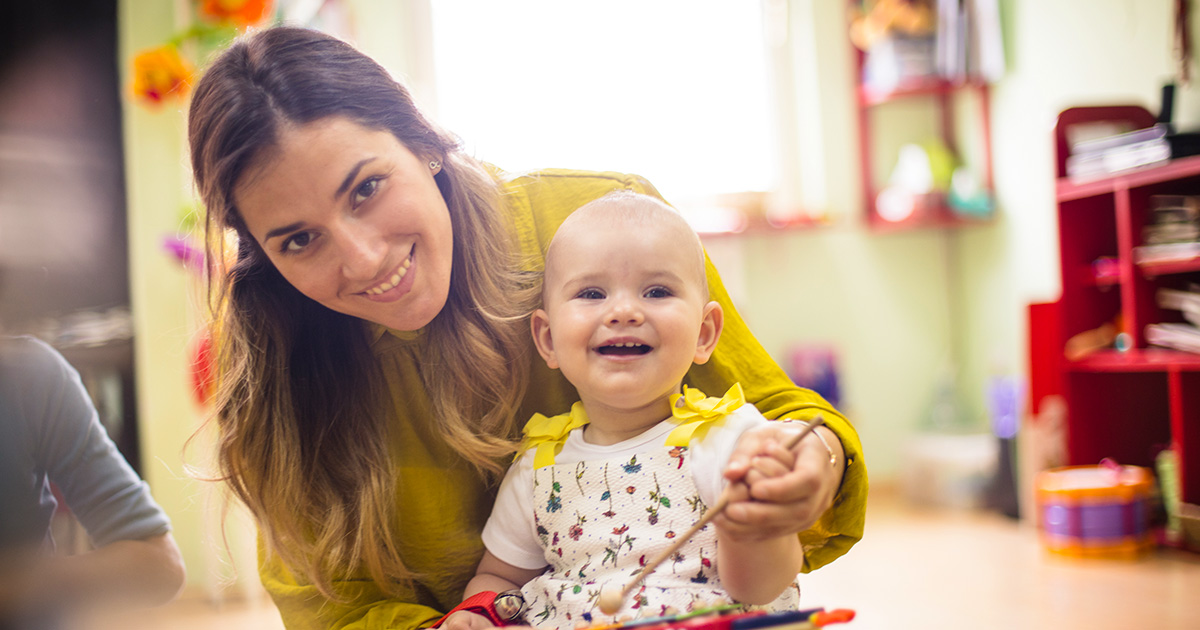
When families choose an early childhood education program, safety is one of their most important considerations. A safe environment allows children to explore, build confidence, develop relationships, and discover the love to learn. Here's a closer look at how we create a safe, supportive environment where children can learn and grow with confidence.
Trusted Teachers Make the Difference
Safety starts with our educators.
Trained in early childhood education, teachers in our community of Learning Care schools participate in ongoing professional development to provide the highest quality care and learning experiences. Through active supervision and positive engagement, they create a safe, nurturing environment where children can build confidence and safely explore new ideas.
Healthy Classrooms for Growing Minds
Children learn best when they feel healthy and safe.
That's why we maintain clean, organized classrooms and follow daily sanitization practices. Toys, learning materials, and surfaces are cleaned regularly, while high-touch areas receive additional sanitizing throughout the day. Learning Care health policies and procedures are designed to help reduce the spread of germs and support the well-being of every child in our care. Children also practice healthy habits, such as frequent handwashing throughout the day.
Prepared for Every Situation
Safety means being ready for the unexpected.
Our schools regularly practice emergency preparedness procedures, including fire drills, severe weather drills, and lockdown protocols. Through consistent training and practice, our teachers know how to respond calmly and effectively while keeping children safe and reassured. Regular drills also help children become familiar with safety procedures, supporting a sense of comfort and confidence should an emergency ever occur.
You also play an important role in reinforcing emergency preparedness at home. Regular conversations about safety between you and your child are valuable. Some ideas to consider:
- Create a family emergency plan that outlines meeting places, emergency contacts, and steps to take with you in situations of a fire or severe weather.
- Keep important phone numbers and a small emergency kit easily accessible. Include items such as a flashlight, batteries, water, and first-aid supplies.
- Practice calm, age-appropriate discussions and simple drills to ensure that any action taken in a tense moment feels familiar and safe.
By working together, families can build a shared sense of readiness that supports the safety practices children learn in their school.
Secure Systems That Give Families Peace of Mind
Stay connected and informed.
Families receive real-time updates and live streaming video through SproutAbout, our family communications app. This helps you stay connected to your child's day, learning experiences, and activities. Our secure check-in and check-out procedures include authorized pick-up verification and digital tracking systems designed to ensure every child's safety. In addition, multiple management checks are conducted throughout the day, providing an additional layer of accountability across all classrooms.
Safety Supports the Love of Learning
Safe. Supported. Ready to Learn.
When children feel safe, they are free to explore, ask questions, build friendships, and gain confidence. Through caring educators, healthy learning environments, thoughtful safety practices, and strong family partnerships, we create a place where children can thrive every day.
