Our Blog: January 28, 2026
- 855.437.3254
- Schedule a Tour
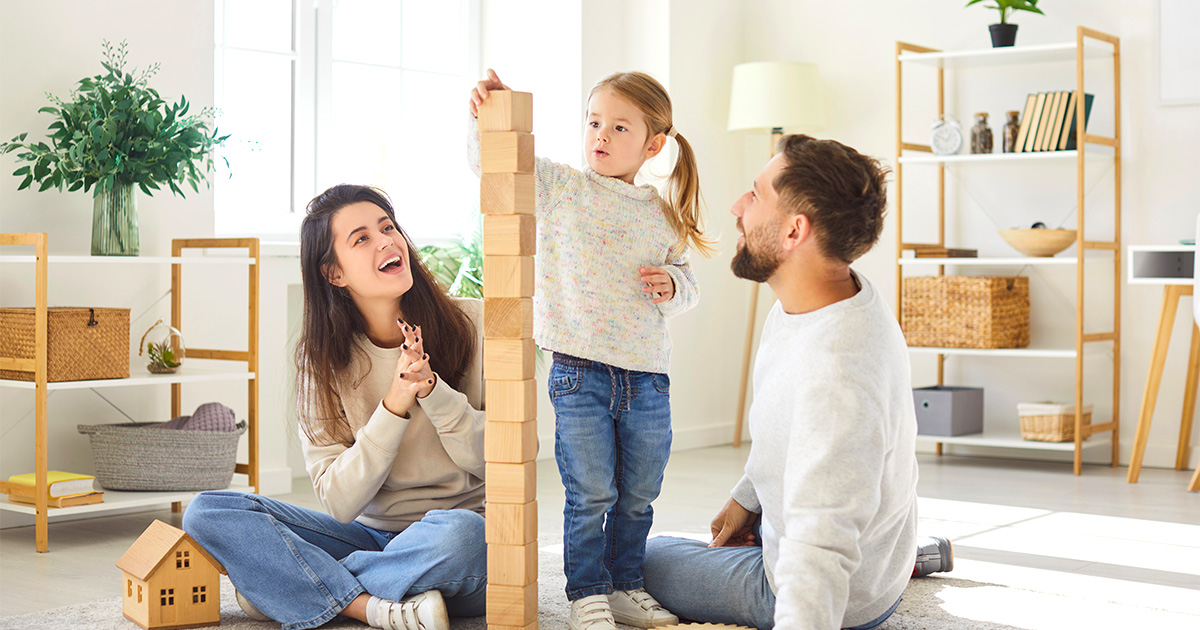
Children are natural scientists. From dropping a toy to see what happens to noticing how a friend responds to their words, children are constantly exploring cause and effect. In our Learn as We Grow curriculum, Cause and Effect is a six-week concept that invites children to observe, investigate, and make discoveries by experimenting with actions and reactions. This big idea, recognized in the Next Generation Science Standards, helps children begin to understand why things happen and how the world works.
Over several weeks, children will explore Cause and Effect through playful, hands-on experiences focused on prediction, movement, phenomena, weather, feelings, and experiments. Teachers create opportunities for children to ask questions such as:
- What happens if?
- Why did that change?
Whether children are watching objects move, noticing how emotions affect others, or experimenting with new materials, they learn that their actions have outcomes and that those outcomes can be observed, discussed, and revisited.
Research reminds us just how meaningful these early experiences are. The Harvard Center on the Developing Child explains that “the interaction between early experience and brain development literally shapes the architecture of the developing brain.” Through cause-and-effect play experiences, children aren’t just having fun. They’re building the thinking skills that support learning, problem-solving, and confidence over time.
In our classrooms, teachers intentionally support this learning by observing children at play and guiding discovery with thoughtful questions and experiences. Using assessment and documentation tools, along with other resources, our teachers observe, assess, document, and communicate children’s learning. Teachers celebrate discoveries and share meaningful moments with families each day and within individual child portfolios.
Try it at Home
- Toddlers explore cause and effect through movement and senses.
Try this: Drop objects into a container, push buttons, or clap your hands together. Notice what happens. Use simple language. “You pushed the button and the music played!
- Preschoolers begin making predictions and noticing patterns.
Try this: Roll cars down ramps, stack blocks higher and higher, or mix water with sand. Ask simple prompts, such as, “What do you think will happen next?” - Pre-K students are ready to think more deeply about why things happen.
Try this: Talk about emotions and reactions. For example, “What happened when you shared?” Experiment in the kitchen or explore how different surfaces change the way water moves. Encourage your child to explain their thinking.
As children explore cause and effect, they build curiosity and confidence while learning how their actions connect to the world around them, both at school and at home.
Further Reading
For more simple, playful ways to support your child’s learning at home, we recommend this family-friendly resource from the National Association for the Education of Young Children (NAEYC): Support Learning With Play.
Explore referenced research from the Harvard Center on the Developing Child (The Science of Early Childhood Development) and the Next Generation Science Standards.